HDPE Pipes: A Reliable Choice for Oil and Gas Pipelines
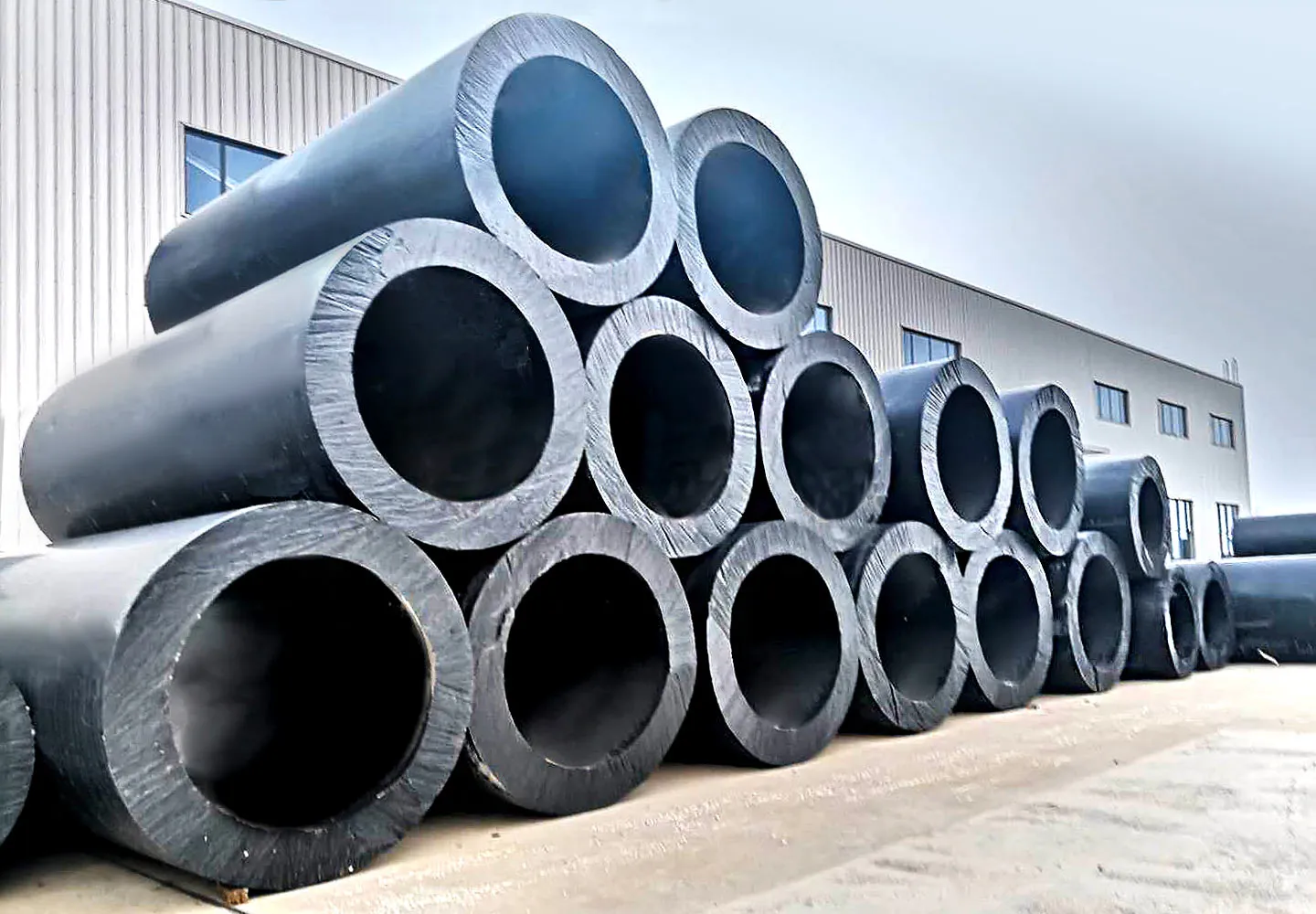
In the evolving landscape of the oil and gas industry, selecting the right pipeline materials is crucial for ensuring operational efficiency and safety. High-density polyethylene (HDPE) pipes have emerged as a reliable option, especially for high-pressure applications. These pipes are favored for their durability, flexibility, and resistance to corrosion, making them ideal for harsh environments. HDPE pipe suppliers play a pivotal role in providing these advanced materials, catering to the specific needs of the industry. As demand for robust pipeline solutions grows, understanding the benefits and selection criteria for HDPE pipes becomes essential for industry professionals.
Table of contents:
Advantages of HDPE Pipes in Harsh Environmental Conditions
How to Choose the Right HDPE Pipe Supplier for Oil and Gas
The Impact of HDPE Pipes on Pipeline Safety and Longevity
Comparing HDPE Pipe Suppliers for Oil and Gas Applications
Advantages of HDPE Pipes in Harsh Environmental Conditions
HDPE pipes are renowned for their ability to withstand extreme environmental conditions, which is why they are extensively used in the oil and gas sector. Their flexibility allows them to absorb stresses caused by ground movements, reducing the risk of pipeline failure. Additionally, HDPE pipes are highly resistant to chemicals and corrosion, ensuring longevity even in aggressive environments. Compared to traditional materials, HDPE pipes offer superior performance in terms of pressure handling, with various pressure ratings available to suit different applications. HDPE pipe manufacturers have developed these pipes to meet stringent international standards, ensuring reliability and safety in critical operations. As industries continue to push boundaries in challenging terrains, HDPE pipes remain a preferred choice for their resilience and adaptability.
How to Choose the Right HDPE Pipe Supplier for Oil and Gas
Selecting the right HDPE pipe supplier is crucial for ensuring the quality and performance of pipeline systems in oil and gas applications. It is important to consider suppliers who offer a wide range of products with varying sizes and pressure ratings to meet specific project requirements. Additionally, suppliers should be ISO certified, ensuring adherence to international quality standards. Experience in the industry is another key factor; suppliers with a long-standing presence, like Smart Joint, bring valuable expertise and reliability. They should also provide comprehensive support, including installation services and technical assistance. Evaluating HDPE pipe suppliers based on their certifications, product range, and service offerings will help ensure that the chosen supplier can meet the demanding needs of oil and gas projects.
The Impact of HDPE Pipes on Pipeline Safety and Longevity
The adoption of HDPE pipes in oil and gas pipelines significantly enhances safety and longevity. Their resistance to corrosion and chemical attacks reduces maintenance needs and extends the lifespan of pipelines. Furthermore, HDPE pipes are less prone to leaks and ruptures, minimizing environmental risks and operational disruptions. HDPE pipe manufacturers have engineered these pipes to withstand high pressures, ensuring reliable performance under demanding conditions. The use of fusion technology in joining HDPE pipes creates leak-proof connections, further enhancing pipeline integrity. As the industry prioritizes sustainability and safety, HDPE pipes offer a solution that aligns with these goals, providing a reliable and long-lasting infrastructure for transporting oil and gas.
Comparing HDPE Pipe Suppliers for Oil and Gas Applications
When comparing HDPE pipe suppliers for oil and gas applications, several factors must be considered. The range of products offered is crucial; suppliers should provide pipes in various sizes and pressure ratings to accommodate different project needs. Certifications such as WRAS and NSF indicate compliance with safety and quality standards, which is essential for ensuring reliable performance. Additionally, suppliers with a global presence, like Smart Joint, demonstrate their capability to meet diverse customer requirements and adapt to international market demands. Evaluating customer reviews and case studies can also provide insights into a supplier's track record and reliability. By thoroughly assessing these aspects, industry professionals can make informed decisions when choosing HDPE pipe suppliers for their projects.
In conclusion, HDPE pipes have become indispensable in the oil and gas industry due to their durability, safety, and adaptability to harsh conditions. Selecting the right HDPE pipe suppliers and manufacturers is critical for ensuring the success and longevity of pipeline systems. With advancements in technology and increasing demand for sustainable solutions, HDPE pipes continue to play a vital role in modernizing infrastructure. By understanding the advantages and selection criteria, industry professionals can optimize their pipeline projects, ensuring efficient and safe transportation of oil and gas. As the industry evolves, the partnership between reliable suppliers and cutting-edge HDPE products will drive progress and innovation in pipeline systems.